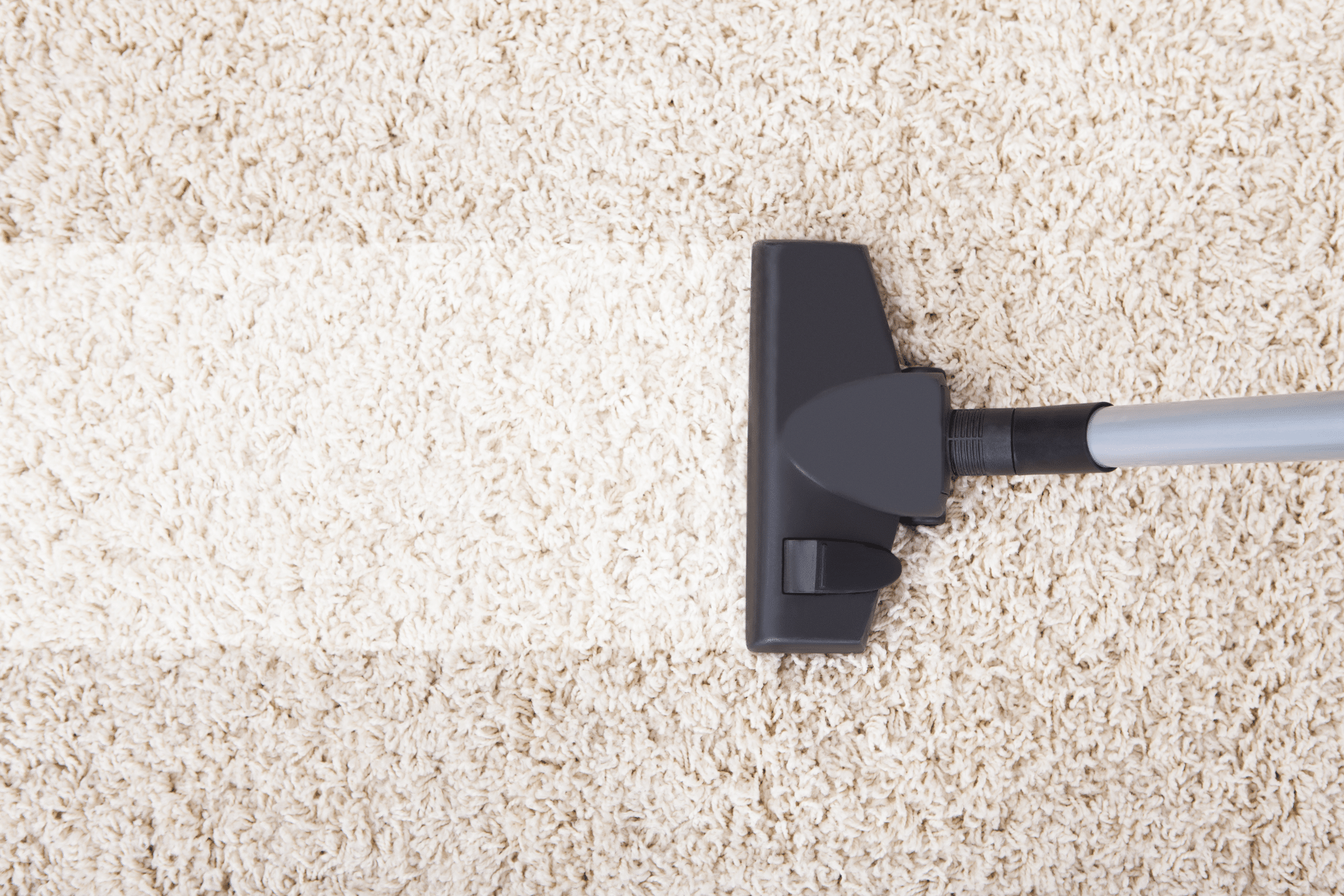
Carpets rarely begin looking tired overnight. The change normally happens gradually as everyday foot traffic introduces dry soil, fine grit, dust, oils and other contaminants into the fibres. Areas that are walked across most frequently can become noticeably duller, while the carpet as a whole may lose some of the fresh, even appearance it had when it was cleaner.
Regular vacuuming remains an important part of carpet care, but it primarily deals with removable surface and loose dry soil. Over time, contamination can become more deeply embedded within the pile, and certain marks or heavily used areas may require more thorough treatment.
Professional carpet cleaning can remove contamination that routine household cleaning may leave behind, improving the appearance and freshness of suitable carpets. For homes and businesses in Folkestone, Kent, the important point is to distinguish between a carpet that looks tired because it is dirty and one where the fibres have experienced permanent physical wear. Professional cleaning can achieve a substantial improvement where soiling is responsible, but it cannot recreate fibres that have genuinely worn away.
How Does Professional Carpet Cleaning Improve a Tired-Looking Carpet?
Professional carpet cleaning works by assessing the carpet, identifying the type and extent of soiling and selecting an appropriate cleaning approach.
Depending on the carpet and its condition, professional cleaning can help address:
- Embedded dry soil and grit
- General dullness
- Heavily used traffic lanes
- Everyday dirt transferred from footwear
- Oily residues that attract additional soil
- Some spots and marks
- Accumulated dust within the pile
- Uneven appearance caused by differing levels of contamination
- Residues from unsuitable previous cleaning attempts
- General loss of freshness
The level of improvement depends on what is actually causing the carpet to look tired.
Dirt Gradually Changes the Appearance of Carpet
Carpet fibres are exposed to repeated use every day.
Footwear and general activity introduce particles that settle between and around the fibres. Although some are removed through routine vacuuming, others can gradually accumulate.
Because the process happens slowly, homeowners often become accustomed to the changing appearance.
Professional cleaning can make the difference more noticeable by removing contamination that has built up over an extended period.
A Carpet Can Look Worn When It Is Actually Heavily Soiled
One of the most useful distinctions in carpet cleaning is the difference between soiling and permanent wear.
A heavily used section may appear darker or flatter than surrounding areas, giving the impression that the carpet has deteriorated significantly.
Sometimes much of this difference is caused by contamination.
Once the carpet has been professionally cleaned, the affected area may appear considerably more consistent with the surrounding pile.
However, where fibres themselves have physically worn, cleaning cannot replace the missing material.
High-Traffic Areas Usually Show Deterioration First
Certain sections of carpet receive considerably more foot traffic than others.
Typical examples include routes through rooms, areas near entrances and frequently used spaces between furniture.
Repeated use introduces more contamination into these sections and can also affect the way the pile sits.
This is why a carpet may remain relatively fresh around the edges of a room while the central walking route looks noticeably duller.
Embedded Grit Can Make Carpet Look Dull
Fine particles can work their way beneath the visible surface of the pile.
Even when they are not immediately obvious, accumulated dry soil can influence the carpet’s appearance.
The effect can become particularly noticeable in lighter carpets or where one area receives much heavier use than another.
Professional cleaning begins by recognising that visible dullness can have causes below the uppermost surface.
Vacuuming and Professional Cleaning Perform Different Roles
Regular vacuuming should not be considered unnecessary simply because professional carpet cleaning is available.
The two perform different functions.
Vacuuming is excellent for ongoing removal of loose dry material and should form part of routine carpet care.
Professional cleaning provides more intensive treatment when contamination has accumulated beyond what ordinary vacuuming can effectively address.
Oily Contamination Can Attract More Dirt
Not all carpet contamination is dry.
Small amounts of oily residue can be transferred from footwear, skin contact and everyday household activity.
These residues may attract and retain additional soil.
As contamination builds, affected areas can begin looking darker than less frequently used sections.
Professional cleaning can help break this cycle by treating appropriate residues rather than simply removing loose material from the surface.
Entrance Areas Often Need More Attention
Carpet near an entrance can experience a particularly high concentration of contamination.
People repeatedly travel across the same section, introducing material from outside or adjoining areas.
Over time, this can create a noticeable difference between the entrance and less frequently used parts of the room.
A professional cleaner can take this uneven soiling pattern into account rather than treating every square metre as though it has experienced identical use.
Traffic Lanes Can Become Visually Distinct
Repeated walking often creates recognisable pathways through carpeted rooms.
These traffic lanes may appear darker, greyer or less vibrant than areas beneath furniture or close to walls.
Professional cleaning can remove contamination contributing to this contrast.
Where the fibres remain physically serviceable, the visual improvement can be significant.
Where permanent pile wear is also present, some difference may remain even after thorough cleaning.
Cleaning Can Reveal the Carpet’s Actual Condition
Heavy contamination can make it difficult to determine how much physical wear a carpet has experienced.
Once embedded soil has been removed, the underlying condition becomes easier to assess.
This can sometimes show that the carpet was in better condition than its previous appearance suggested.
In other cases, cleaning may reveal areas of genuine fibre wear that had previously been obscured by general soiling.
Either outcome provides a clearer understanding of the carpet.
Professional Cleaning Should Begin With Assessment
Different carpets cannot automatically be cleaned using exactly the same process.
Fibre type, construction, colour, level of soiling and previous treatment can all influence the appropriate method.
Assessment helps establish what the carpet needs before more intensive cleaning begins.
This is particularly important where unusual marks, delicate fibres or heavily contaminated areas are present.
Fibre Type Influences the Cleaning Approach
Carpet fibres can behave differently when exposed to moisture and cleaning products.
A method suitable for one carpet may not necessarily be appropriate for another.
Professional carpet cleaning therefore involves understanding the material rather than applying the same treatment indiscriminately.
Selecting a suitable method helps achieve effective soil removal while respecting the characteristics of the carpet.
Construction Matters as Well as Fibre Type
The visible pile is only part of a carpet.
Different carpets can have different constructions, densities and backing arrangements.
These characteristics can influence cleaning and drying.
Professional assessment considers the carpet as a complete floor covering rather than focusing only on the visible colour and texture.
Pre-Vacuuming Can Be an Important First Stage
Dry soil is generally easier to remove while it remains dry.
Removing as much loose particulate contamination as practical before wet cleaning prevents unnecessary material from becoming mixed with moisture during the cleaning process.
This is why thorough preparation can contribute significantly to the overall result.
The most effective professional cleaning process is not simply about applying more moisture or cleaning solution.
Spots Need to Be Identified Individually
A tired carpet may contain several different types of marks.
Treating all of them with one generic product may not produce the best result.
The substance responsible, how long it has been present and the type of carpet can all influence how a spot responds.
Professional treatment allows individual problem areas to receive more targeted attention where appropriate.
Not Every Stain Can Be Completely Removed
Professional carpet cleaning can produce excellent improvements, but realistic expectations remain important.
Some substances can permanently alter or discolour fibres.
Others may have been present for a considerable period or previously treated using unsuitable products.
A permanent colour change is different from removable contamination.
Cleaning can remove soil but cannot guarantee reversal of every change that has occurred within the fibre itself.
Previous Cleaning Products Can Affect the Carpet
Homeowners often attempt to treat spots as soon as they occur, which is understandable.
However, repeated application of unsuitable cleaning products can sometimes leave residues behind.
These residues may attract additional soil or create an area that behaves differently from the surrounding carpet.
Professional assessment can identify signs of previous treatment and take them into consideration during cleaning.
Excess Cleaning Product Is Not Necessarily Better
Using more cleaning solution does not automatically produce a cleaner carpet.
The correct amount and appropriate process are more important.
Excess residue left within the fibres can contribute to rapid resoiling.
Professional carpet cleaning therefore focuses on controlled treatment and effective removal rather than simply saturating heavily soiled areas with additional product.
Cleaning Can Improve Overall Colour Consistency
A carpet can gradually develop noticeable differences between heavily used and lightly used sections.
Areas underneath furniture may retain more of their original appearance, while exposed walking routes become duller.
Removing accumulated contamination can reduce this contrast.
The result can make the carpet look more consistent across the room, even though normal differences caused by genuine wear may still remain.
Cleaning Can Improve the Appearance of the Pile
Contamination can influence how carpet fibres sit and reflect light.
Once suitable cleaning has removed embedded material, the pile may appear fresher and more defined.
This is one reason a professionally cleaned carpet can look noticeably improved without any change to its actual construction.
The fibres were already present; cleaning simply removes some of the material interfering with their appearance.
Flattened Pile Is Not Always Caused by Dirt
A carpet can look tired because the pile has become compressed in frequently used areas.
Cleaning may improve the appearance where contamination contributes to the problem.
However, permanent fibre distortion caused by prolonged physical wear is different.
Professional cleaning should not be presented as a way to recreate the original structure of permanently crushed or damaged fibres.
Light Reflection Can Make Traffic Areas Look Worse
The direction and condition of carpet fibres influence how light reflects from the surface.
A heavily trafficked section can therefore appear noticeably different even after some loose soil has been removed.
Part of this difference may be contamination, while part may result from changes in pile direction or wear.
Professional cleaning helps remove the soiling component, making the remaining condition easier to evaluate.
Professional Cleaning Can Improve General Freshness
A carpet interacts with everyday indoor activity continuously.
Dust, soil and other contamination can accumulate gradually within the pile.
Removing this build-up can make carpeted rooms feel noticeably fresher.
This improvement is not dependent on adding a strong fragrance. Effective cleaning should focus primarily on removing contamination rather than masking it.
Unpleasant Odours Need Their Source Considered
Where a carpet has an unpleasant smell, simply adding fragrance does not address the cause.
The source of the odour should be considered.
Some odours may relate to surface contamination, while others can extend deeper into the carpet or underlying materials.
Professional assessment helps determine whether ordinary carpet cleaning is likely to address the problem or whether the situation requires a different approach.
Cleaning Can Be Particularly Noticeable on Light Carpets
Lighter carpets often reveal traffic-related contamination more clearly.
Greying and darkened walking routes can contrast sharply with less frequently used areas.
Professional cleaning can remove accumulated soil and improve overall consistency where contamination is responsible.
The same principles apply to darker carpets, even though visible differences may initially be less obvious.
Dark Carpets Still Accumulate Contamination
A darker carpet may conceal some forms of soil more effectively.
This can make it appear cleaner than it actually is.
The absence of obvious discolouration does not mean the pile contains no accumulated contamination.
Assessment based on use and condition can therefore be more informative than relying solely on visible colour changes.
Furniture Layout Can Reveal How Much the Carpet Has Changed
Moving furniture sometimes reveals areas of carpet that have received very little foot traffic.
The difference between these protected sections and exposed areas can be striking.
This contrast demonstrates how gradually contamination and use alter a carpet.
Professional cleaning can help reduce differences caused by soiling, although changes resulting from light exposure or permanent physical wear may remain.
Cleaning Before Rearranging a Room Can Be Useful
When furniture is being repositioned, previously covered sections of carpet can become visible.
Professional cleaning across the complete room can help create a more consistent appearance before the new layout is established.
It also provides an opportunity to clean areas that may have been difficult to reach during routine household maintenance.
Carpet Cleaning Is More Than Surface Stain Removal
Professional cleaning is sometimes associated primarily with obvious stains.
However, a carpet does not need to contain dramatic marks to benefit from cleaning.
General soil accumulation across thousands of fibres can significantly affect appearance even when there is no single prominent stain.
Treating the carpet as a complete surface can therefore produce a broader improvement than focusing exclusively on individual marks.
Heavily Soiled Areas May Need Additional Attention
A carpet is rarely contaminated completely evenly.
Traffic lanes and entrances may require more focused treatment than areas around the perimeter of the room.
Professional cleaning allows the process to reflect these differences.
This targeted approach helps avoid assuming that every part of the carpet requires identical treatment.
Proper Extraction Is an Important Part of Deep Cleaning
Where an extraction-based cleaning method is appropriate for the carpet, the process involves more than applying a cleaning solution.
Contamination and moisture need to be removed effectively.
The objective is to lift and extract loosened soil rather than simply redistribute it through the pile.
Professional equipment and controlled technique can make this process more effective than repeated surface treatment.
More Water Does Not Mean Better Cleaning
A common misconception is that heavily soiled carpet requires as much water as possible.
In reality, cleaning should use a controlled process appropriate for the carpet.
Unnecessary saturation can complicate drying without automatically improving soil removal.
The correct balance between treatment, agitation where appropriate and extraction is more important than simply increasing moisture.
Drying Is Part of the Cleaning Process
Professional carpet cleaning does not finish at the moment the equipment leaves the carpet.
Appropriate drying is also important.
The amount of moisture used, carpet construction, ventilation and surrounding conditions can all influence drying.
A controlled cleaning method considers this from the outset rather than treating drying as an afterthought.
Professional Equipment Supports More Thorough Cleaning
Household carpet machines can be useful for certain situations, but professional equipment is designed for more intensive cleaning.
The equipment is only one part of the service.
Correct assessment, suitable products, technique and experience remain equally important.
Powerful equipment used without understanding the carpet does not automatically produce a better result.
Professional Technique Helps Avoid Repeated Trial and Error
A tired carpet often receives several household cleaning attempts before professional help is considered.
Different products may be applied to separate areas, sometimes producing inconsistent results.
Professional assessment provides a more systematic approach.
Rather than experimenting with one treatment after another, the carpet can be evaluated and cleaned according to its material and actual condition.
Clean Carpets Can Make an Entire Room Look Better Maintained
Carpet occupies a substantial visual area within many rooms.
When it becomes dull, the entire space can begin to feel less fresh even when furniture and other surfaces are clean.
Improving the carpet can therefore have a wider visual effect.
A cleaner, more consistent floor covering can help the whole room feel better maintained without making any other major changes.
Professional Cleaning Can Be Valuable Before Assuming Replacement Is Needed
A carpet that looks heavily soiled or generally tired can sometimes appear much closer to the end of its useful condition than it really is.
Where the fibres remain serviceable, professional cleaning may reveal considerable usable life beneath the accumulated contamination.
This does not mean every old carpet can be restored.
It means condition should be understood before appearance alone is used to judge it.
Cleaning Cannot Repair Physical Damage
There are clear limits to what carpet cleaning can achieve.
It cannot repair torn carpet, replace missing fibres, reverse severe abrasion or reconstruct damaged backing.
These are physical defects rather than cleaning issues.
Being clear about this distinction is important because professional carpet cleaning should provide realistic improvement rather than unrealistic promises.
Permanent Wear May Remain Visible After Cleaning
The busiest walking routes can experience both contamination and genuine wear at the same time.
Cleaning may remove the dirt and significantly improve the area, but some visual difference can remain where fibres have been permanently affected.
This does not mean the cleaning has been unsuccessful.
It means the removable contamination has been addressed while the underlying physical wear remains.
Routine Vacuuming Helps Preserve the Result
After professional cleaning, regular vacuuming remains important.
Removing dry soil before it becomes deeply embedded helps maintain the cleaner appearance.
Particular attention can be given to entrances and established traffic lanes because these areas generally accumulate contamination more quickly.
Professional cleaning and routine household maintenance work best as complementary forms of carpet care.
Prompt Attention to Spills Can Also Help
Spills are easier to manage before they have been repeatedly walked through or treated with several unsuitable products.
Careful initial attention can help prevent contamination from spreading across a larger area.
Where a mark remains, professional treatment can then be based on what caused it and how the carpet has already been treated.
The Right Cleaning Frequency Depends on Use
There is no single cleaning interval that suits every carpet.
A lightly used room can remain clean for considerably longer than a busy entrance or frequently occupied living space.
Household activity, foot traffic, carpet colour and general conditions all influence how quickly contamination becomes noticeable.
The condition of the carpet is therefore more useful than relying solely on a fixed timetable.
Professional Assessment Helps Set Realistic Expectations
One of the most valuable parts of a professional carpet cleaning service is understanding what can realistically be improved.
If dullness is primarily caused by embedded soil, cleaning may produce a considerable transformation.
If permanent fibre wear is responsible for much of the appearance, improvement may be more limited.
Distinguishing between the two before cleaning helps provide a more accurate expectation of the likely result.
Why Professional Carpet Cleaning Matters
Bringing a tired carpet back to life is not about attempting to make an old floor covering magically become new again. It is about identifying and removing the contamination that is unnecessarily making the carpet look dull, dirty or poorly maintained.
At Folkestone Carpet Cleaning, we assess the carpet, its construction and the pattern of soiling before selecting an appropriate cleaning approach. Heavily used areas can receive the attention they require while the complete carpet is treated according to its condition.
For homes and businesses in Folkestone, Kent, professional carpet cleaning can provide a practical way to improve carpets affected by everyday soil accumulation while keeping expectations realistic where permanent wear or physical damage is present.
Conclusion
Professional carpet cleaning can bring tired carpets back to life by removing embedded soil, fine grit, oily contamination and other build-up that ordinary vacuuming may leave behind. This can improve colour consistency, reduce the appearance of dirty traffic lanes and give the carpet a noticeably cleaner and fresher overall appearance.
The best results come from understanding why the carpet looks tired in the first place. Removable soiling can often be improved considerably, while permanent fibre wear, physical damage and lasting discolouration cannot simply be cleaned away. A professional assessment helps distinguish between these different conditions and ensures the cleaning method is appropriate for the carpet.
If the carpets at your property in Folkestone, Kent are looking dull or heavily used, contact Folkestone Carpet Cleaning. We can assess their condition and provide professional carpet cleaning focused on achieving a thorough, realistic improvement without making unnecessary claims about what cleaning can accomplish.
Call us on: 01303 765492
Click here to find out more about Folkestone Carpet Cleaning
Click here to complete our contact form and see how we can help with your carpet needs.